
$4,300 Quote for Attic Insulation? Here’s What You Should Actually Pay in 2026

A family in Mississauga called us last month after getting a quote for $4,300 to insulate her 1,200-square-foot attic. She wanted a second opinion. After we assessed her home, our quote came in at $1,188 — and she qualified for a $1,250 rebate through Ontario’s Home Renovation Savings (HRS) program, meaning her net cost was essentially zero.
Stories like hers are not unusual. Attic insulation quotes vary wildly across the GTA, and most families have no frame of reference for what a fair price looks like. That gap in knowledge is where some contractors make their money. This article is about closing that gap.
I have been installing attic insulation in Toronto and surrounding areas for almost two decades. What follows is as honest a breakdown of 2026 insulation costs as I can give you, based on real jobs, real materials, and real quotes.

Attic insulation assessment
What Drives Attic Insulation Cost in Ontario
Before we get to numbers, it helps to understand what you are actually paying for. The cost of an attic insulation job in Ontario depends on four main variables:
1. Size of Your Attic
This is the biggest factor. Insulation is typically priced per square foot. A 1,000-square-foot attic costs less than a 2,000-square-foot one — fairly straightforward. However, some contractors quote by the job rather than by square footage, which makes comparison shopping harder. Always ask for a per-square-foot breakdown.
2. Current Insulation Level and Removal
If your attic already has old insulation that needs to be removed — particularly old fiberglass batts, or anything with moisture damage — that adds to the cost. Removal typically runs $0.50–$1.00 per square foot depending on access and conditions. If the existing insulation is in good condition and can be blown over, you save that cost entirely.
3. Material Choice
The three most common options are blown-in cellulose, fiberglass batts, and spray foam. Their cost profiles are quite different:
- Blown-in cellulose: Starting at $0.99/sqft, this is the most cost-effective option for most attics. It is also highly regarded for its thermal performance, fire resistance, and environmental profile. We use it on the majority of our jobs.
- Fiberglass batts: Often installed DIY, but professional batt installation for an entire attic runs $1.50–$2.50/sqft. Batts are more prone to settling and air gaps than blown-in materials.
- Spray foam: At $3.00–$7.00/sqft depending on type and thickness, spray foam is the premium option. It is best suited for cathedral ceilings, rim joists, and areas where you need both insulation and air sealing in a single application.
4. Contractor Experience and Overhead
A licensed, insured contractor with proper equipment, trained staff, and a warranty will cost more than someone working out of a van with borrowed gear. That price difference is real, and it is usually worth it. A job done poorly costs far more to fix than it saved upfront.

Side-by-side comparison of blown-in cellulose, fiberglass, and spray foam insulation.
What Is a Fair Attic Insulation Quote in 2026?
Based on jobs completed across Toronto, Mississauga, Brampton, Oakville, Hamilton, Vaughan, and the surrounding GTA through early 2026, here is a realistic range for full attic insulation using blown-in cellulose:
| Attic Size | Low End | Mid-Range | High End |
|---|---|---|---|
| 800 sqft | $800 | $1,100 | $1,600 |
| 1,200 sqft | $1,200 | $1,600 | $2,400 |
| 1,500 sqft | $1,500 | $2,000 | $3,000 |
| 2,000 sqft | $2,000 | $2,800 | $4,200 |
These figures are for blown-in cellulose installed to meet or exceed Ontario Building Code minimums — which require R-50 for most residential attics. We typically recommend upgrading to R-60 for optimal energy performance, and the additional cost to go from R-50 to R-60 is usually modest given that the crew and equipment are already on site.
If a quote comes in significantly above the high end of these ranges for a standard job, you deserve a detailed explanation of what is driving that cost. If a quote comes in significantly below the low end, ask questions about materials, depth of insulation, and whether they carry proper liability insurance.
The Real Cost of Not Insulating Your Attic
Many families focus on the cost of insulation and overlook the cost of not insulating. In a GTA home with inadequate attic insulation, here is what that typically looks like:
- Energy bills: An under-insulated attic can add $300–$700 per year to your heating and cooling costs, depending on home size and energy prices. Over 10 years, that is $3,000–$7,000 out of your pocket.
- Comfort: Cold bedrooms in winter, hot upper floors in summer, and uncomfortable temperature swings throughout the day are common symptoms of poor attic insulation.
- Ice dams: Inadequate insulation allows heat to escape into the attic, melting snow on the roof that then refreezes at the eaves. Ice dam damage — to gutters, shingles, and even interior walls — can run into thousands of dollars.
- HVAC strain: Your furnace and air conditioner work harder when the thermal envelope is leaky, shortening their lifespan and increasing maintenance costs.
As Natural Resources Canada notes, improving attic insulation is one of the most accessible and cost-effective energy upgrades a family can make. The return on investment, especially when combined with available rebates, is difficult to match.
Ontario’s 2026 HRS Rebates: How They Change the Math
The Home Renovation Savings (HRS) program remains active in 2026, and it significantly changes the insulation cost equation for eligible families. Here is what you need to know:
- Standalone attic insulation stream: Up to $1,250 back on a standalone attic insulation project
- Multi-upgrade stream: Combine attic insulation with other eligible upgrades and the rebate can reach $5,000–$10,000 (subject to eligibility and program availability)
- Energy audit requirement: A pre-retrofit energy audit performed by a registered energy advisor is required before the work begins. The audit itself is eligible for partial reimbursement.
- Licensed contractor requirement: Work must be completed by a participating, licensed contractor to qualify for rebates.
Many families we work with end up paying very little out of pocket once rebates are applied. The question we hear most often is: “Can I actually get that money?” The answer is yes — provided the process is followed correctly. We handle the paperwork coordination for our customers as part of the job.
For full program details, visit homerenovationsavings.ca.
Red Flags in Attic Insulation Quotes
After nearly two decades in this trade, these are the warning signs I would watch for when reviewing a quote:
- No mention of R-value: Any professional quote should specify the R-value being installed. If it just says “top up attic insulation,” push for specifics.
- No air sealing component: Proper attic insulation work should include sealing major air leaks (around pot lights, plumbing penetrations, attic hatches) before blowing in new insulation. If this is not mentioned, the thermal performance will be significantly compromised.
- Unusually low quotes: We have seen jobs where contractors blow in far less material than quoted, leaving families with R-20 or R-30 attics instead of the R-50 or R-60 they paid for. Always confirm R-value in writing.
- No warranty offered: A reputable insulation contractor will stand behind their work. We provide a 10-year warranty on our installations.
- No proof of licensing or insurance: Ask for it. Every time.

A thorough attic inspection is the first step to an accurate insulation quote.
How to Get an Accurate Attic Insulation Quote
The best way to get a fair quote is to get two or three of them from licensed contractors, and make sure they are quoting the same scope of work. When you call for a quote, ask:
- What material will you use, and what R-value will be achieved?
- Does the quote include air sealing?
- Will you remove existing insulation, or install over it?
- Are you a participating contractor for the HRS rebate program?
- What is your warranty?
A contractor who can answer all of these clearly and in writing is a contractor worth considering. One who hedges on R-value or cannot confirm rebate eligibility is worth being cautious about.
According to the U.S. Department of Energy’s Energy Star program, proper insulation and air sealing can reduce heating and cooling costs by up to 15%. In Ontario’s climate, the impact is often even greater given our extreme winter temperatures.
Frequently Asked Questions
Is a $4,300 quote for attic insulation normal?
For a 1,200-square-foot attic using blown-in cellulose, $4,300 is significantly above market rate. That price might be justified for a larger home, a spray foam application, or a project requiring extensive prep work — but you should get it itemized and compared.
How much can I save through Ontario rebates?
Many families save 70–85% through government rebates. Your actual cost depends on your home’s specific needs and rebate eligibility.
How do I know what R-value my attic currently has?
A qualified energy advisor or insulation contractor can measure this during a free assessment. Alternatively, you can measure the depth of existing insulation yourself: roughly 3.5 inches of cellulose equals R-13, so an 18-inch depth would be approximately R-65.
Is blown-in cellulose better than fiberglass?
For most attic applications, blown-in cellulose offers better air resistance, better thermal performance per dollar, and a better environmental profile than loose-fill fiberglass. It is our go-to recommendation for the vast majority of GTA homes.
The Bottom Line
A $4,300 quote for a standard attic insulation job in the GTA is not necessarily fraudulent — but it warrants scrutiny. Get the breakdown, compare quotes, and ensure the contractor is licensed to participate in Ontario’s rebate programs. With the HRS rebate available in 2026 (subject to eligibility and program availability), actual cost depends on your home — book a free assessment for an exact quote.
Canada Energy Solution has earned a BBB A+ rating and a 4.9-star Google rating from 438+ customers across Toronto, Mississauga, Brampton, Oakville, Hamilton, Vaughan, Burlington, Etobicoke, and surrounding GTA communities. We are TSSA certified, Energy Star partners, and we provide 24/7 emergency service. Learn more about our attic insulation services or call us at (647) 812-5200 to book a free home assessment.
Also verified with our BBB profile.
Attic Talk with Mike
- Is Attic Insulation Actually Worth It? A Toronto Contractor Answers Reddit’s Biggest Question
- Open-Cell vs Closed-Cell Spray Foam: Which One Does Your Attic Actually Need?
- Spray Foam vs Blown-In Cellulose: An Ontario Contractor’s 18-Year Verdict
- DIY Attic Insulation vs Hiring a Pro: Which Saves You More Money in the Long Run?
- How Much Does Attic Insulation Really Cost in Ontario? A Contractor’s Honest Breakdown
- Cellulose vs. Fiberglass Insulation: Your Guide to the Perfect Attic Upgrade
- How We Made a Home in Etobicoke Warmer and More Energy Efficient with Attic Insulation
Recent Posts

SickKids Needs You Right Now
HVAC Emergency After Hours: What to Do When Your Furnace or AC Stops Working
Andrew’s Law Is Now Ontario Law: One Year Later, a Family’s Fight Has Made Our Roads Safer
2026 Central AC Installation Cost in Toronto: Full Breakdown and What to Expect
2026 Central Air Conditioner Buyer’s Guide for Ontario: Updated Prices, Rebates & Expert Picks


Get a Free Consultation
Our Community Contributions

SickKids Needs You Right Now
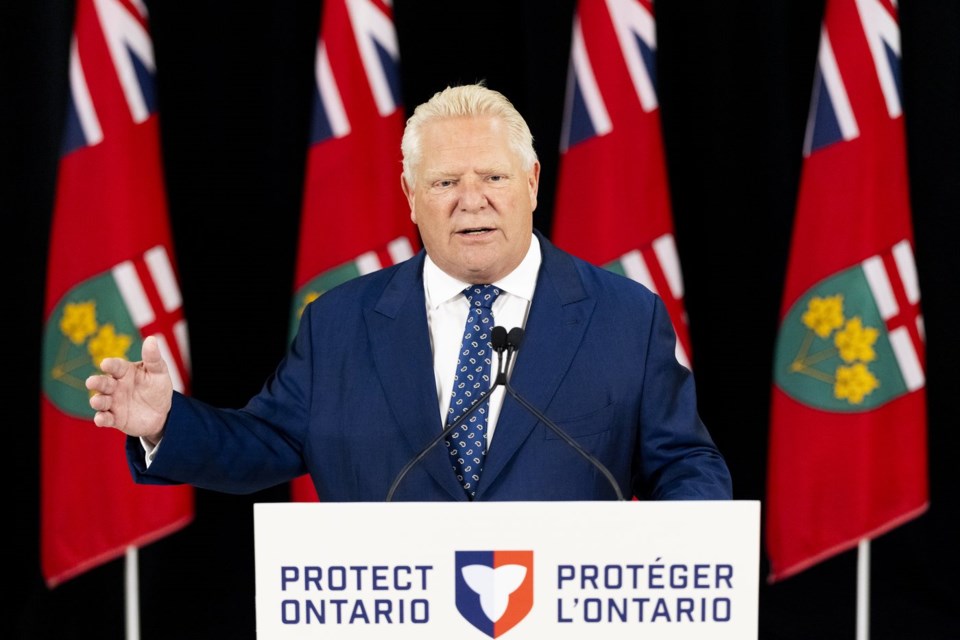
Andrew’s Law Is Now Ontario Law: One Year Later, a Family’s Fight Has Made Our Roads Safer

When Tragedy Strikes Home, a Community Must Rise – Standing with the Cristillo Family


