
New attic insulation, but upstairs is still hot
Attic Talk with Mike Sullivan, attic insulation specialist at Canada Energy Solution
If you’ve paid for new attic insulation and you’re still turning the pillow over to find a cool side, it’s hard to feel pleased about the work. The bedroom was the reason you called. Now the job is finished and that room still isn’t comfortable.
I wouldn’t rush you into another purchase. Before adding more insulation or discussing a bigger air conditioner, I want to understand what is happening in that particular room. The answer may involve the attic. It may also involve a window that gets the afternoon sun, or cool air that never quite reaches the bed.
Those possibilities deserve checking without dismissing the work you’ve already paid for.
The afternoon sun hasn’t changed
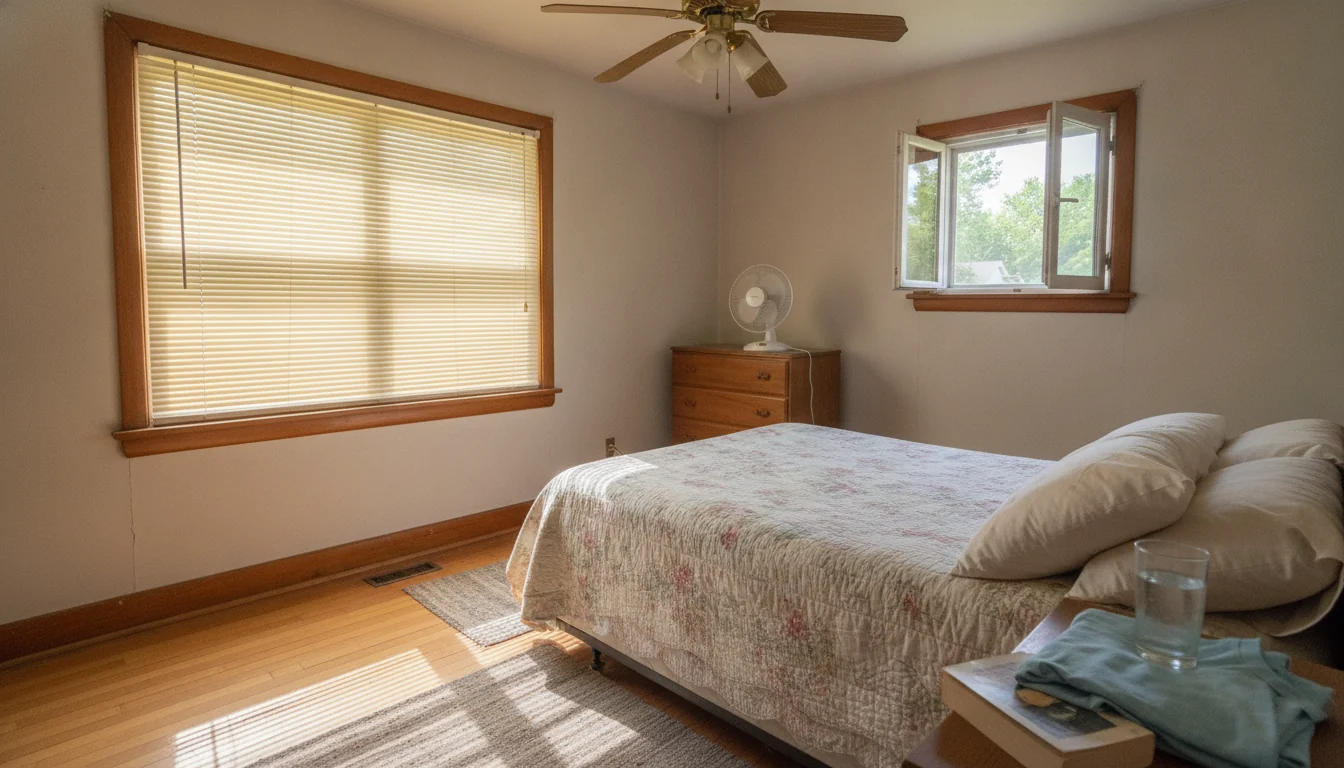
Take a west-facing bedroom. If sunlight still pours through the glass in the late afternoon, the room can keep gaining heat after the ceiling above it has been better insulated. The new material slows one route for heat to enter. The window is another route, and the insulation crew hasn’t changed it.
That distinction is easier to understand than a discussion of R-values alone. Natural Resources Canada’s explanation of heat moving through a house describes the different ways heat travels. A better-insulated ceiling can help while the room still receives more heat than its cooling supply can comfortably remove.
Closing the existing blinds before the sun reaches the window is something you can try without ordering another renovation. Note whether the room feels different later in the day. One afternoon won’t settle the diagnosis, but a change gives the next person investigating a useful clue. The advice on shading and summer cooling is worth keeping in mind before treating the attic as the only possible cause.
The sunshine doesn’t settle the matter, though. The insulation still needs checking.
The new layer still needs a proper look
A finished attic can look reassuring from the hatch. Loose fill covers the middle, and the photograph shows a generous depth. The area above your bedroom may be much farther away, near the roof edge or behind something that made access awkward.
That’s the part I’d want the inspection to reach.
The attic installation guidance pays attention to coverage and difficult perimeter areas, rather than treating a deep-looking patch as proof of the whole job. A thin section can remain where it matters to your room. Work by another trade can also leave a disturbed path through otherwise suitable insulation. Neither observation automatically means the entire installation needs removing. It does mean someone should establish what is there and put any shortfall right. You shouldn’t need to climb into the attic to show the contractor which bedroom is uncomfortable.
During an attic insulation assessment, the room’s position is useful information. Point it out from below and share any preparation photos you already have. I want to connect the complaint with the part of the ceiling being inspected, rather than simply show you another photograph beside the hatch.

A wooden bed and bedside lamp beside a curtained window and floor register. Illustration, not a CES project photograph.
Cool air has to reach the bedroom
If the living room is comfortable while one upstairs bedroom stays hot, that difference matters. So does a complaint that affects the whole upper floor. I’d pass those details to an HVAC professional before accepting a recommendation to replace the cooling equipment.
You can notice obvious obstructions without opening anything: a curtain hanging over a register, for example, or furniture pushed against it. Beyond that, airflow distribution needs an assessment. Closing other vents to force more air upstairs can create problems elsewhere, and I wouldn’t prescribe that from an attic visit.
There is also a difference between a room that becomes uncomfortable as the sun arrives and one that stays warm long after sunset. Floors and furnishings that have warmed during the day release heat gradually. Cooler outdoor air doesn’t instantly cool everything inside the house.
The U.S. Department of Energy’s explanation of nighttime cooling describes that delay. In the GTA, opening windows also depends on humidity, smoke, noise and security. A muggy or smoky night isn’t a reason to give up the cooling you have.
A useful return visit
An invoice can confirm the material and scope. It can’t tell you how that bedroom feels at bedtime. If comfort was the reason for the work, the follow-up conversation should address it directly.
A few notes help: when the room feels worst, whether the sun is on the window and what the cooling system is doing. If you already have a room thermometer, record the reading and time. You don’t need to buy monitoring equipment before raising an obvious concern. Comparing memories of last summer is much harder, especially when the weather has changed.
When the uncertainty extends beyond one room, an EnerGuide home evaluation can bring the building enclosure and mechanical systems into the same assessment. That’s an option for a broader problem, not a compulsory extra attached to an insulation job.

A light-brick house with a garage, front garden and seating beside the entrance. Illustration, not a CES project photograph.
To request a free attic assessment through Canada Energy Solution, call (647) 812-5200 and explain that the house is still hot after insulation work. Mention the room that troubles you and bring the original proposal if you have it.
If the useful next visit is from an HVAC specialist, I’d rather say so than sell another top-up. If there’s an insulation shortfall, that deserves attention before a new upgrade enters the conversation.
Attic Talk with Mike
- No attic vapour barrier? Don’t rush to remove the ceiling
- Bathroom fan dripping? I’d check the duct first
- Old attic insulation: remove it or top up?
- Is Attic Insulation Actually Worth It? A Toronto Contractor Answers Reddit’s Biggest Question
- Open-Cell vs Closed-Cell Spray Foam: Which One Does Your Attic Actually Need?
- Spray Foam vs Blown-In Cellulose: An Ontario Contractor’s 18-Year Verdict
- DIY Attic Insulation vs Hiring a Pro: Which Saves You More Money in the Long Run?
Recent Posts

SickKids Needs You Right Now
HVAC Emergency After Hours: What to Do When Your Furnace or AC Stops Working
Andrew’s Law Is Now Ontario Law: One Year Later, a Family’s Fight Has Made Our Roads Safer
2026 Central AC Installation Cost in Toronto: Full Breakdown and What to Expect
2026 Central Air Conditioner Buyer’s Guide for Ontario: Updated Prices, Rebates & Expert Picks


Get a Free Consultation
Our Community Contributions

SickKids Needs You Right Now

Andrew’s Law Is Now Ontario Law: One Year Later, a Family’s Fight Has Made Our Roads Safer

When Tragedy Strikes Home, a Community Must Rise – Standing with the Cristillo Family


