
Attic insulation or solar panels first?
Attic Talk with Mike Sullivan, attic insulation specialist at Canada Energy Solution
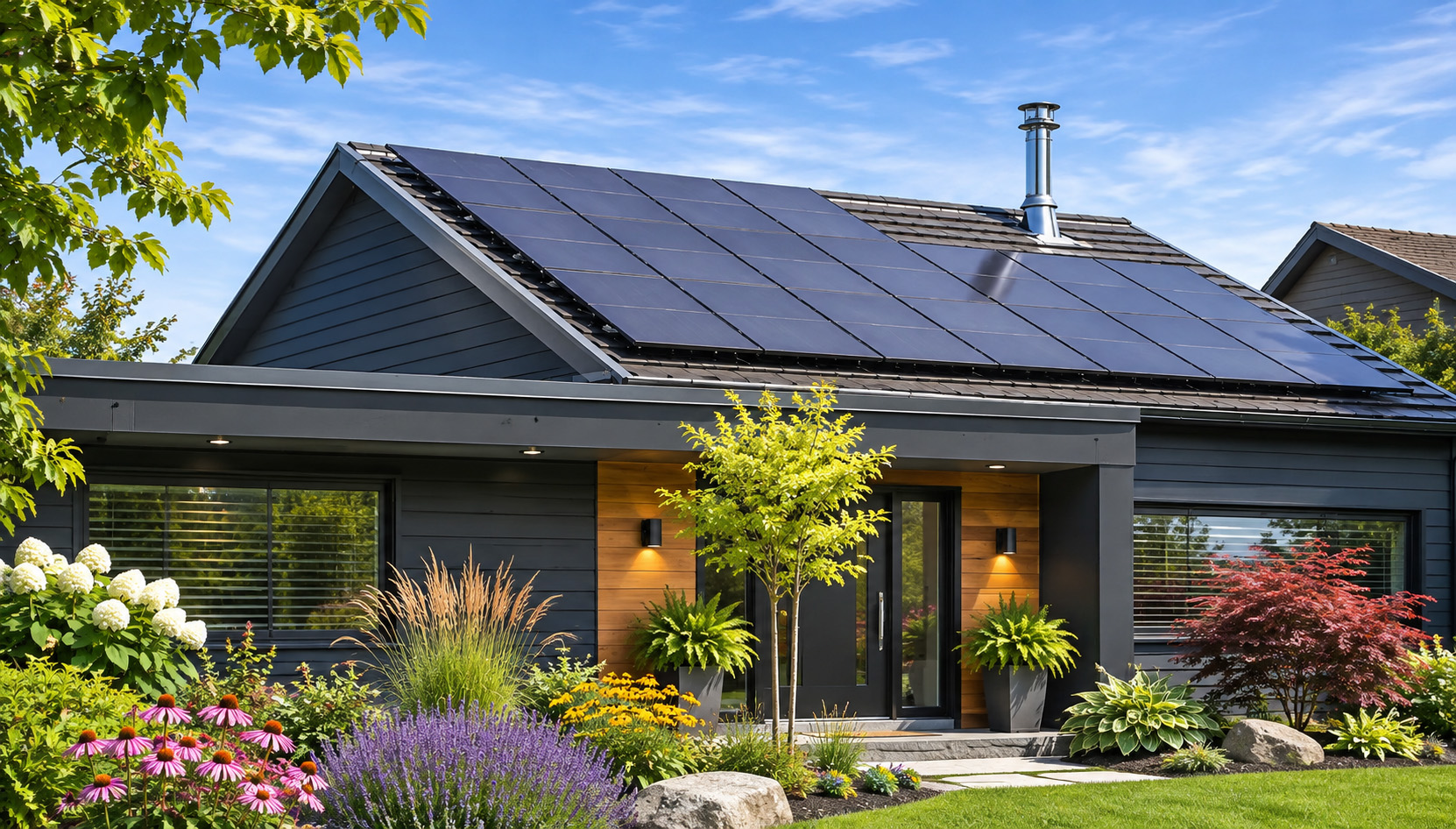
A Durham Region homeowner on r/askTO was looking into solar panels and wondering if it made sense to do the roof, attic insulation, heat pump and water heater at the same time. I kept thinking about the roof. If the solar crew goes up in June and the roofer needs the same patch of shingles in July, somebody is coming back to take those panels off.
When the roof is sound and the attic is losing heat through bare spots or leaky ceilings, I’d put the attic work ahead of solar. If the attic is dry and already doing its job, I’d leave it alone. How the solar crew gets its wiring down from the roof can change when we do the insulation, though. That’s the detail I’d want before picking a date.
The roof can set the schedule
A second Toronto-area homeowner on Reddit was already facing that problem: their roof needed replacing and the solar array had to come down and go back up. It’s the same scenario the City of Toronto’s solar planning guide describes. When the roof is near the end of its life, doing the roofing first avoids building a second solar visit into the shingle job.
New shingles don’t tell me what the framing can carry. In the City of Toronto, rooftop PV installations over 5 m² need a building permit, and the City’s solar collector permit guide calls for calculations from an Ontario engineer covering the framing and how the array attaches to it. That’s the solar and structural team’s part of the job, not something I can sign off from an attic insulation assessment.
What I can flag is damp insulation or staining on the underside of the roof. A wet patch after rain and frost on a cold morning don’t necessarily point to the same repair. Water may be getting in from above, or warm, moist air may be leaking up around the attic hatch or through ceiling openings and meeting cold roof sheathing. I don’t like burying either problem under fresh insulation. Natural Resources Canada’s attic guidance treats moisture and air leaks as things to look at before adding insulation.
A cold bedroom won’t show up on a solar quote
Picture the bedroom over the front of a GTA bungalow. The thermostat in the hall says the house is warm enough, but the person sleeping by the outside wall would disagree. If the insulation over that room thins out near the eaves, or air is leaking through the ceiling, there’s an attic issue worth looking at. A bit more depth in the middle won’t fix a thin edge. Solar panels can make electricity on that same roof without changing how fast heat leaves the bedroom.
With a gas furnace, fixing that weak spot can mean burning less gas for heat. The gas bill and the hydro bill won’t move in lockstep. If an electric heat pump takes over some of the load, the house can need less heat after the attic work and still use more electricity than it did on gas. That homeowner in Durham was also thinking about a second EV. Last year’s hydro bill wouldn’t have either change in it.
For a home served by Toronto Hydro, its net metering program can credit eligible electricity sent to the grid. That’s a credit on the electricity account, not a way to offset the gas bill.
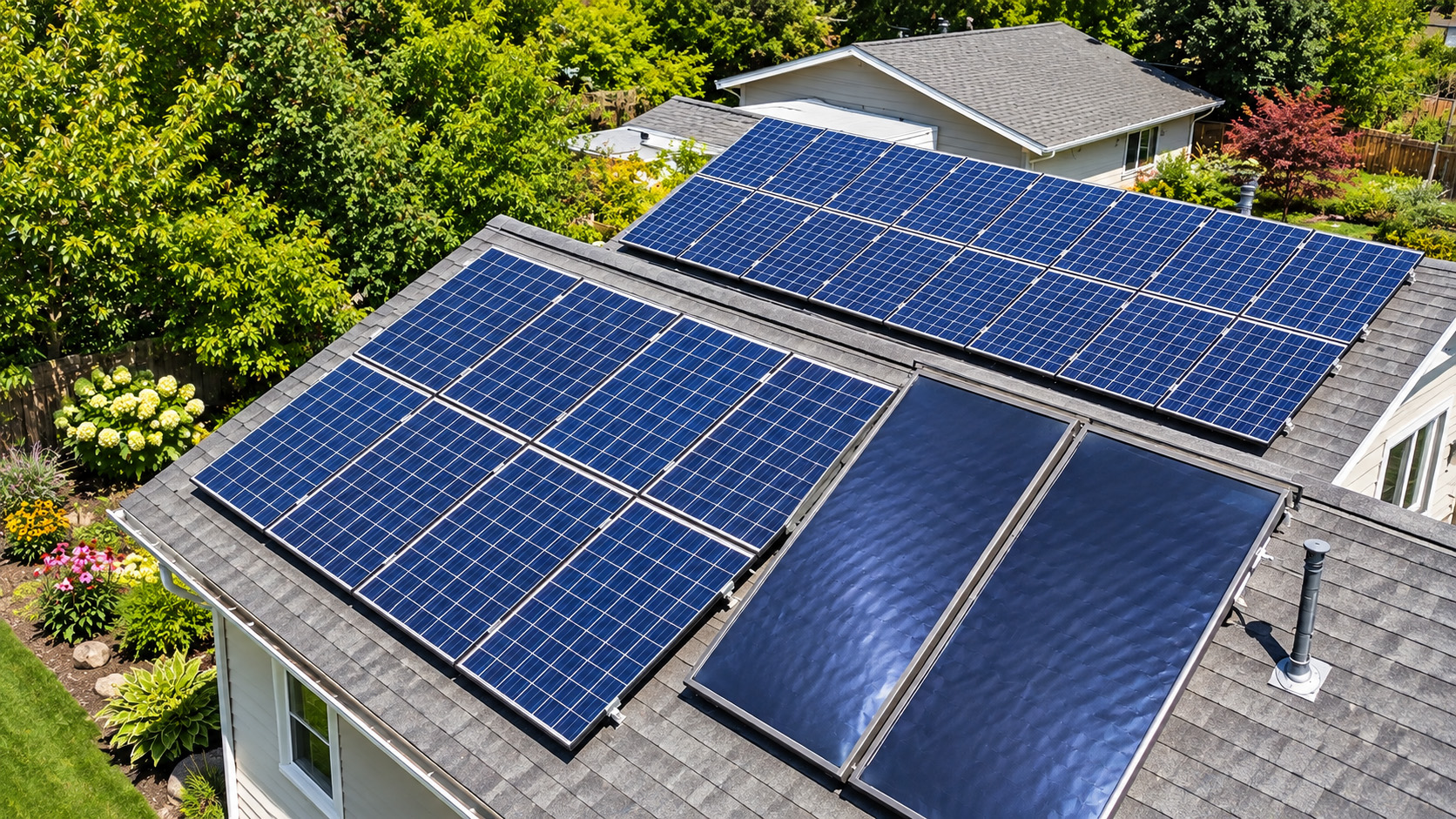
An overhead view of solar panels on a shingle roof.
The cable route can change which crew goes first
On paper, the jobs are neatly stacked: the solar crew works on the roof, we work below it. An exterior cable route can keep the solar crew out of the attic entirely. With an inside route, someone may need to climb through the hatch and work right over the room we’ve just insulated. Loose fill can look fine from the hatch even when it’s been pushed aside farther in.
If the roof is sound but the solar crew needs attic access, I’d rather leave the final top-up until the work in that part of the attic is done. If the insulation has to go in first, I want the scope to say who restores the full coverage where it gets disturbed. I’d rather see a photo of the spot where someone worked than another photo from the hatch. NRCan’s photovoltaic-ready guidance was written for new homes, but it explains why access around the conduit and air sealing where it crosses into a vented attic deserve a place in the plan for an existing house, too.
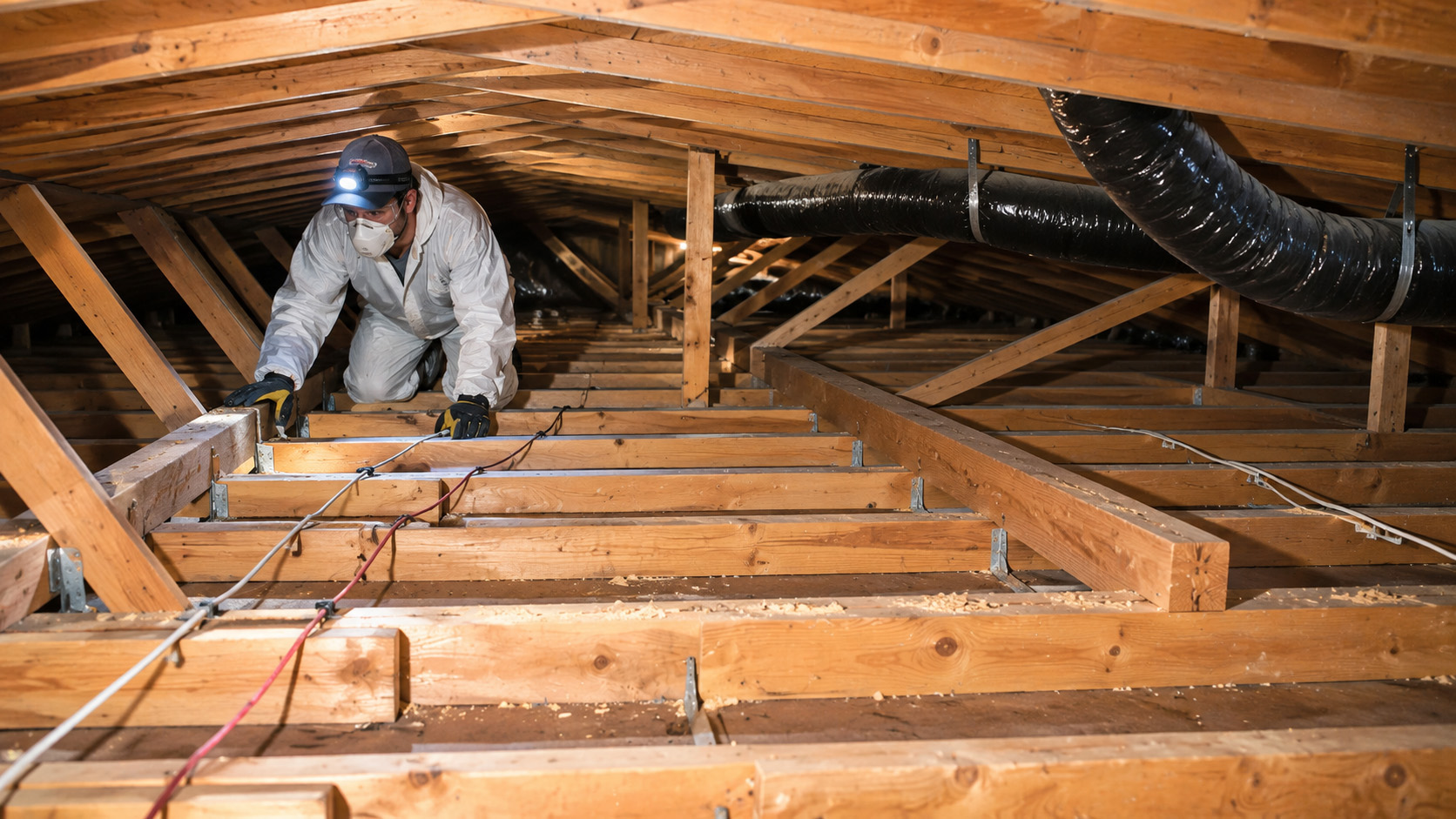
A person in protective clothing crouches among exposed attic joists.
Back at that house in Durham, I wouldn’t expect all five quotes to turn into jobs. If the roof really is due and the attic has good coverage, there may be good reason to book a roofer and no reason to book us. If the attic does need work, knowing where the solar cable will go lets the two crews finish their work without somebody having to come back and redo it.
At Canada Energy Solution, our part is the attic. A free attic assessment is available through our contact page or at (647) 812-5200.
Attic Talk with Mike
- Insulate existing walls without removing the drywall?
- Attic wiring and insulation: before you cover it up
- No attic vapour barrier? Don’t rush to remove the ceiling
- New attic insulation, but upstairs is still hot
- Bathroom fan dripping? I’d check the duct first
- Old attic insulation: remove it or top up?
- Is Attic Insulation Actually Worth It? A Toronto Contractor Answers Reddit’s Biggest Question
Recent Posts

SickKids Needs You Right Now
HVAC Emergency After Hours: What to Do When Your Furnace or AC Stops Working
Andrew’s Law Is Now Ontario Law: One Year Later, a Family’s Fight Has Made Our Roads Safer
2026 Central AC Installation Cost in Toronto: Full Breakdown and What to Expect
2026 Central Air Conditioner Buyer’s Guide for Ontario: Updated Prices, Rebates & Expert Picks


Get a Free Consultation
Our Community Contributions

SickKids Needs You Right Now
Andrew’s Law Is Now Ontario Law: One Year Later, a Family’s Fight Has Made Our Roads Safer

When Tragedy Strikes Home, a Community Must Rise – Standing with the Cristillo Family


